
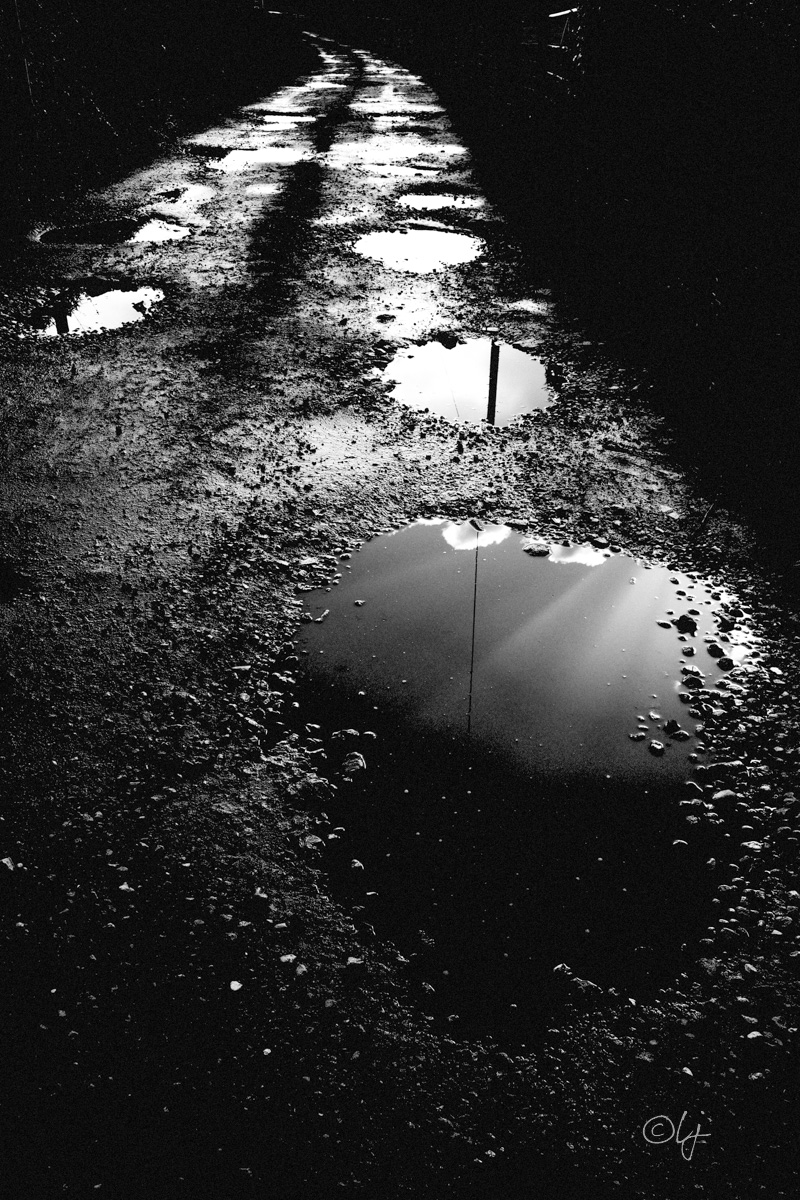
On a bright autumn afternoon this week, with my Ricoh set to high contrast mono, I went for a local walk with the aim of seeking out the kind of things that characterise abstract painting. This may seem strange if it were not for the fact that the latter is a current learning project and I particularly like the black and white acrylics and inks I’m practicing.
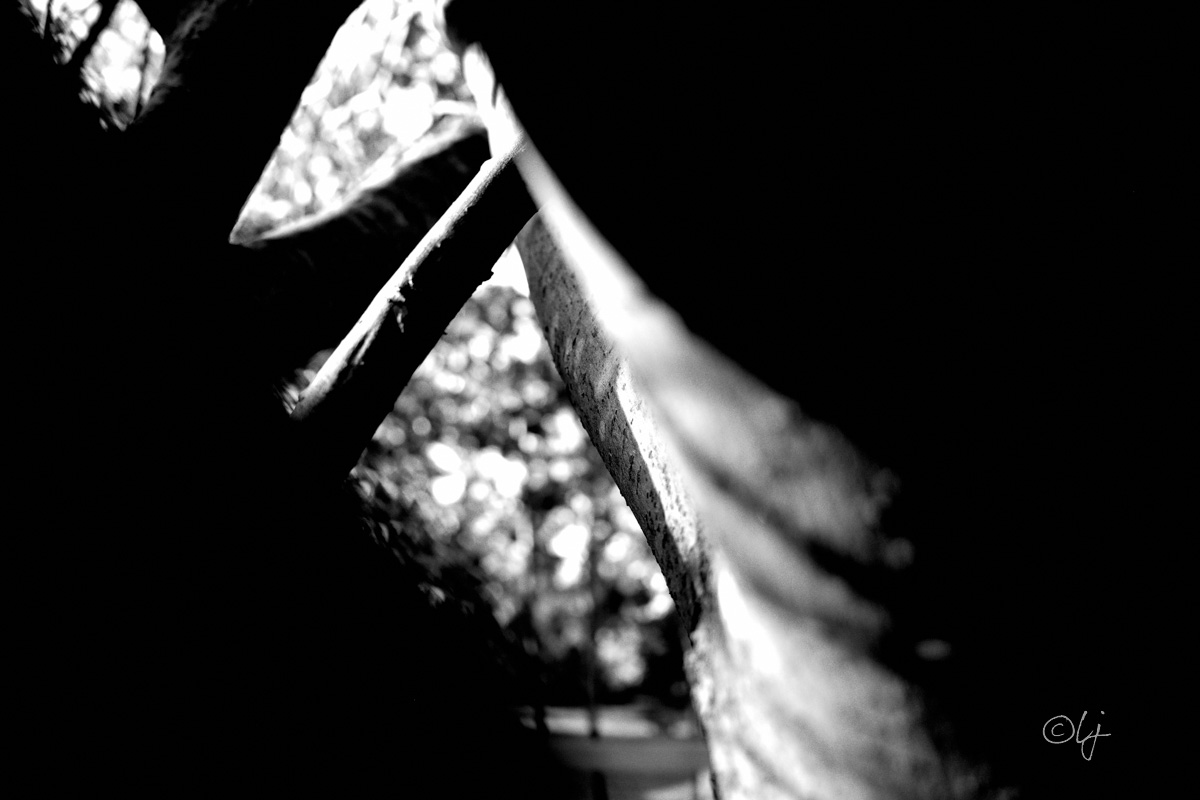
And since abstract art does away with recognizable realism or rather abstracts the whole into delineated elements, the viewer is left to wander at leisure over the image, and in imagination, amongst the light and darks, positive and negative space.
Without a definable construct, this art relies heavily on reconstituting the whole into some kind of order, else it becomes a muddied, muddled mess. Thus lines create contrast and form, thin and thick, ordered or scribbled


Abstract painters use line not only as a method of representing imagery, but also as a way to bring perspective and dimension into undefined fields, to inhabit space, or sometimes to challenge it.
And with enough width line becomes form [source]

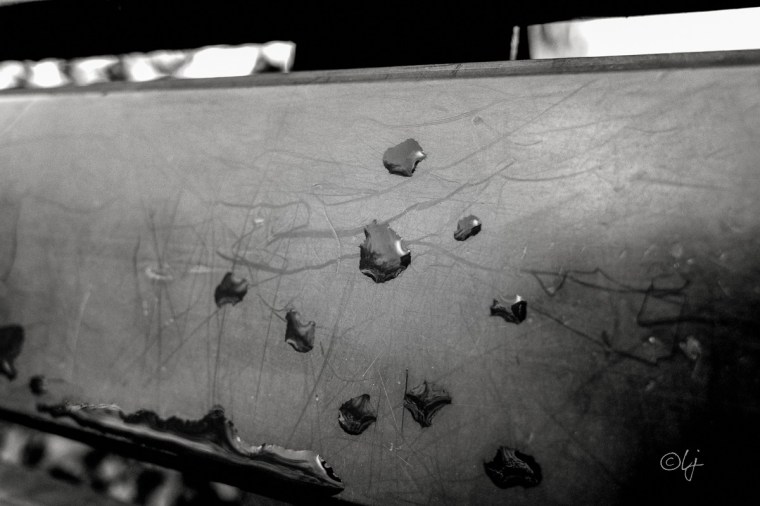
Geometric or random shapes are placed in relationship, contiguous or distant, as contrast of colour, light and texture.
Textures add tactile and visual interest, create a dynamic interplay of light and shadow and convey a sense of movement and energy, [source]
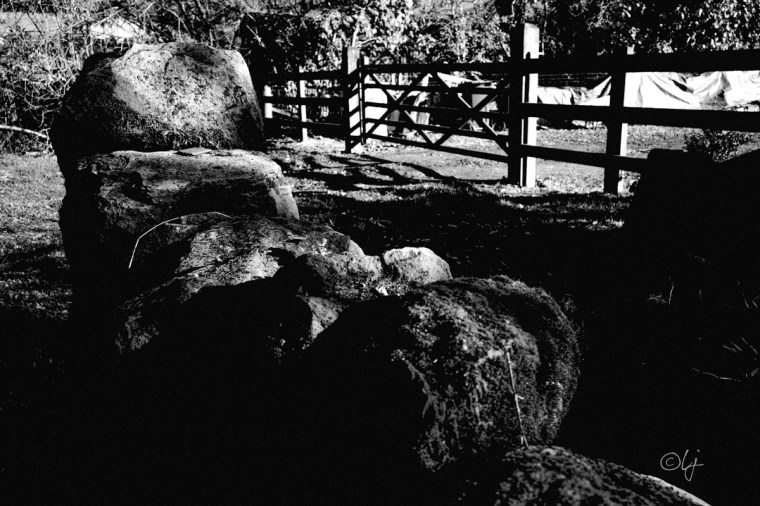
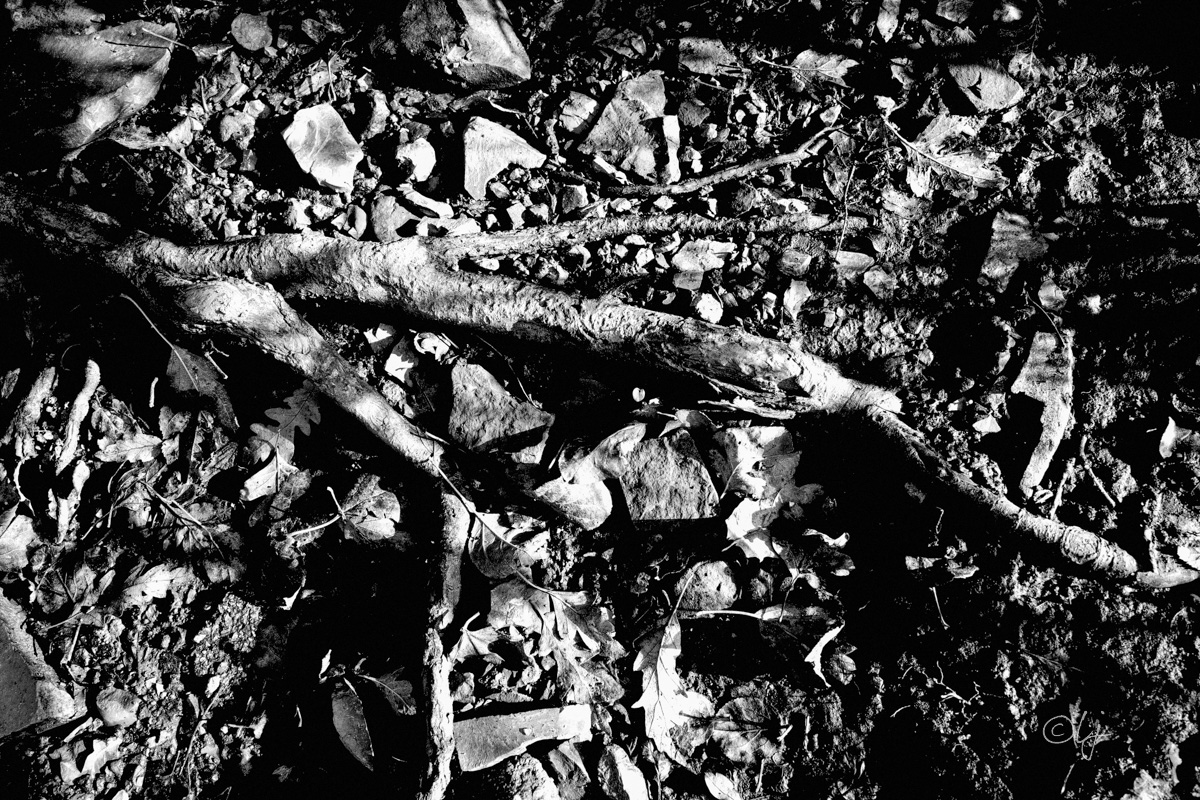
To create texture, oil or acrylic paint is layered and then scraped creating a horizontal relation, one to another. Or textures are literally built up vertically, painting thicker and thicker or adding mediums to further texturize,
“We are all hungry and thirsty for concrete images. Abstract art will have been good for one thing: to restore its exact virginity to figurative art.” Salvador Dalí
Conclusion: There is as much realism in abstracts as abstraction in the concrete!

Protoart Friday: Having some pre-weekend fun with art of any kind
 PoetryPix