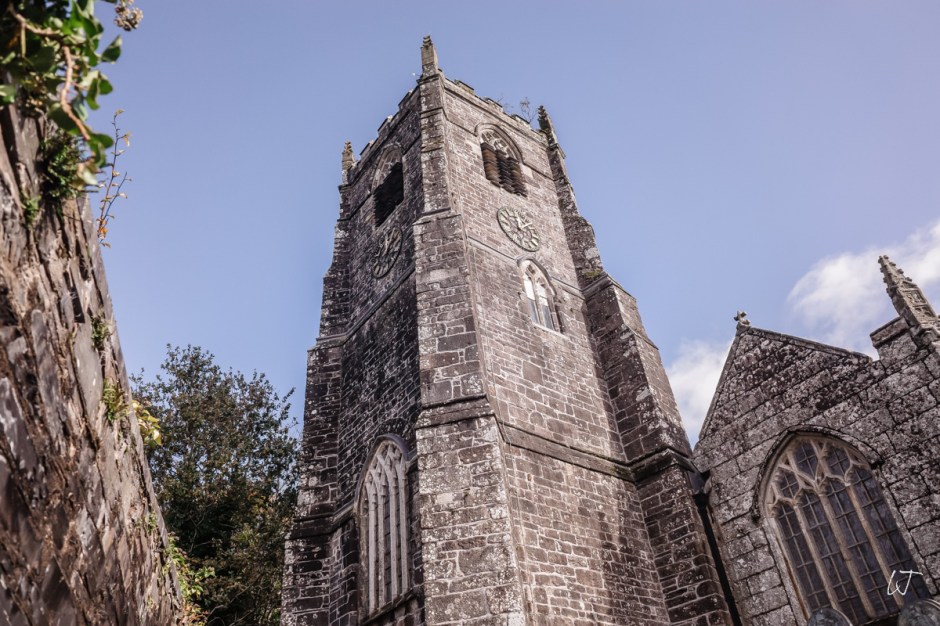
Following in the wake of John Betjeman poet laureate and original church crawler (a term he coined) I too love visiting churches. Aside from the one I attend each Sunday (and which remains shut the rest of the week) I’m always on the look out for ones whose doors are always open and so it was that after checking the website of St Neot in Cornwall, we made our way to the eponymous village only the find the church there firmly closed.
Traditionally church and public house lie within the bounds of each other and since it was opening time at the pub, we headed through its doors for an early lunch. And just as we were leaving a small dog leading a dog-collared clergyman arrived who happened to have the key to the church door.

There is something rather exciting about turning the handle or lifting the latch on heavy wooden church doors. With bated breath, taking that first peek inside rather like opening a surprise present
“Church-doors should still stand open, night and day,
Open to all who come for praise or prayer,
Laden with gift of love or load of care…
Portal of joy and welcomer of woe,,
Open confessional for high and low,
An unshut shrine where all may come and go..”
Alfred Austen Poet laureate 1896
St Neot is still delightfully traditional. With so much polished wood and patterned floor tiles, cushioned pews, an organ, rood screen and that sense of a well loved, well attended church. And community minded too, offering afternoon coffee and cakes on Saturdays in the vestibule.
Charles Henderson, the Cornish historian, suggested that Aneitus, a Celtic saint who lived and preached locally gave his name to the parish. The Church was dedicated to Saint Neotus (?derivation of Aneitus) on the 14th of October 1321. The present church building was built between 1425 and 1530.[source]

And most striking of all is the amount of light that penetrates the whole church- with every window full of stained glass, much of it original, so that it feels rather like being inside a kaleidoscope.

A list of Vicars starts from 1266 but there are no traces of an earlier building.
The nave and south aisle of the Church date from the fifteenth century and the tower from a little earlier. The south aisle is embattled and the porch with its upper storey is incorporated in the scheme. The date of the porch approximately 1425. The north aisle, which was built about a hundred years later and which faces into the sharply rising hillside, is of much plainer proportions.St Neot Historical overview]
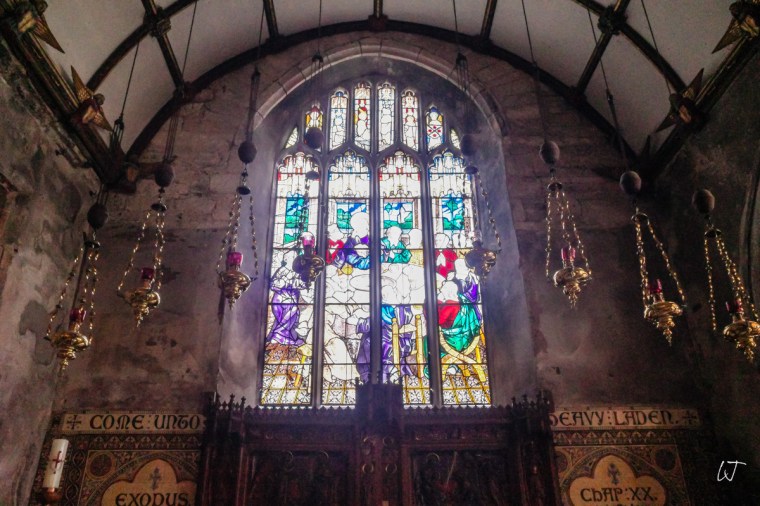
Details: Saint Neot, was a devout Catholic monk and priest who lived during the 9th century ->
He is believed to be related to the esteemed Anglo-Saxon king, Alfred the Great. Born in Cornwall, England, Neot dedicated his life to serving God and the Church. Neot entered the monastic life as a young man, becoming a monk at Glastonbury Abbey...more
Opening the doors on Thursdays for some church crawling
 PoetryPix