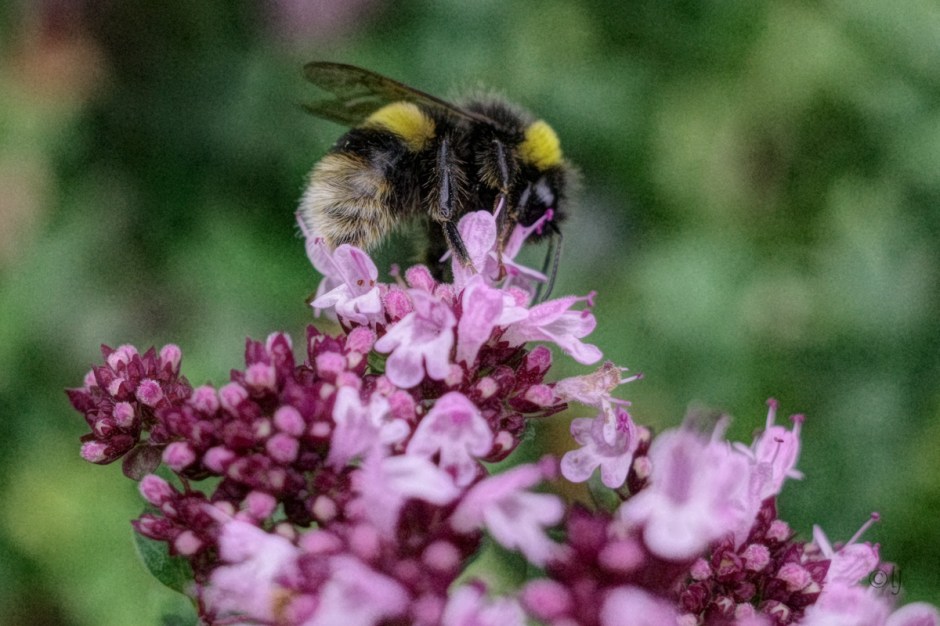
Why do we HDR – Because it pops, defines, paints and textures photography.

Because it can be unashamedly brash

Because we are amateurs, beginners, not purists, because we like its effects
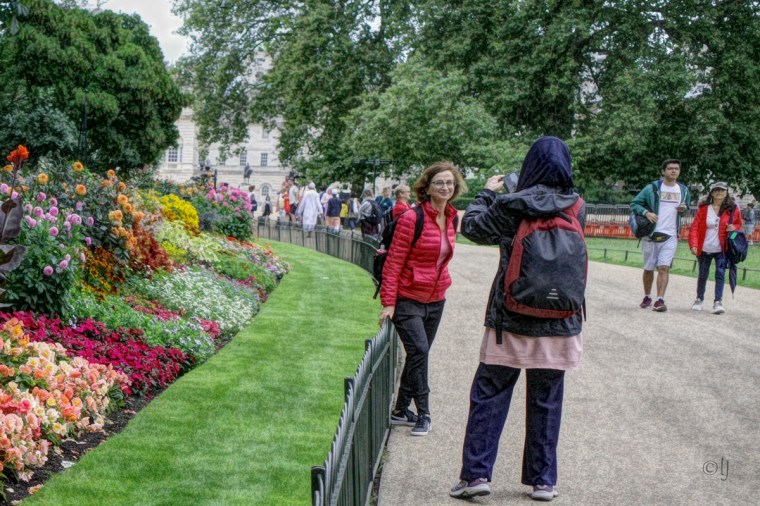
Because we can; in camera, in phone -[or post camera with bracketed, overlaid images taken in 3 different exposures]
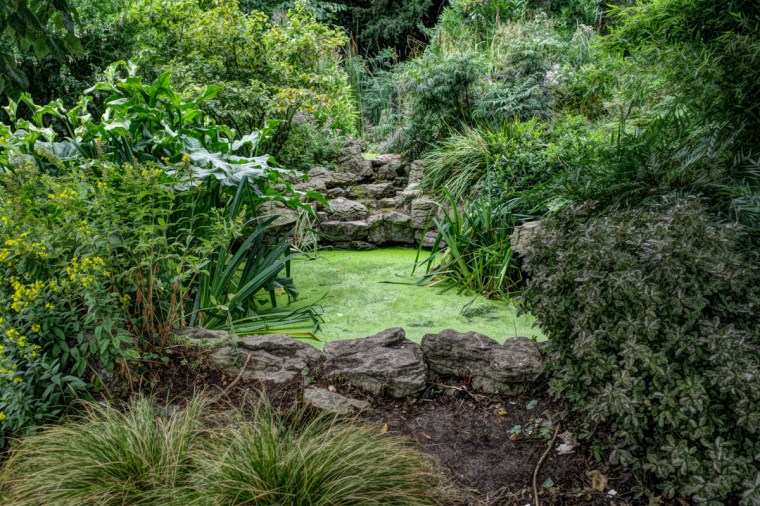
And because sometimes it pays off…
The dynamic range on your camera is less than in your eyes – you can see both shadows …and highlights at the same time. Your camera can’t. The solution is HDR, high dynamic range, photography.
Emma Davies
I’ve turned to HDR on the Ricoh GRiii frequently lately – if only to get the novelty out of my system.
Happy Friday – am happy to be back!

 PoetryPix
Am happy you are back. HDR, what? OK, that. Still don’t know for sure, or – how it works inside a camera. Is it like “loudness” sonically? Or like “sharpness” for that matter – makes things less true but in a false exaggeration which to our eyes ‘seems’ a sharper image (amusing, isn’t it?). Or, I remember Ansel Adams, long long back, wasn’t his zone system a way to see the greatest range, bright to dark? Just guessing.
First picture, that bee, not just beautiful, but amusing too. Comic. Just me? I don’t know. But I smiled anyway. welcome home
you have a point about HDR, Neil – it is almost stereo-opic, comprising merged layers of images to enhance depth perception otherwise lost between shadow and highlight. I’m glad you mentioned Adams’ zone system though with digital we must use the opposite mantra – expose the highlights, develop the shadows – see here
Glad you got a buzz out of the bee (forgive the terrible pun but it just slipped out)
OK curiosity will last just a bit longer. Me no photographer & don’t want to be. I read the article you referenced. Thought I better understood, but maybe not. Me not much tech these days. Question is – OK, layers I guess, merged. But process? Does it happen auto, in-camera, or is it post-processing? Interesting, but my head hurts a little. However done, you get good results.
Both is the short answer but you have more control over the layering in photoshop for example than what the camera/phone decides is an approximation
Oh, and wouldn’t you be rich if you invented scratch-and-sniff photography!
Cool.
we cannot have everything in one package!