(Or some thoughts on my way to the library)
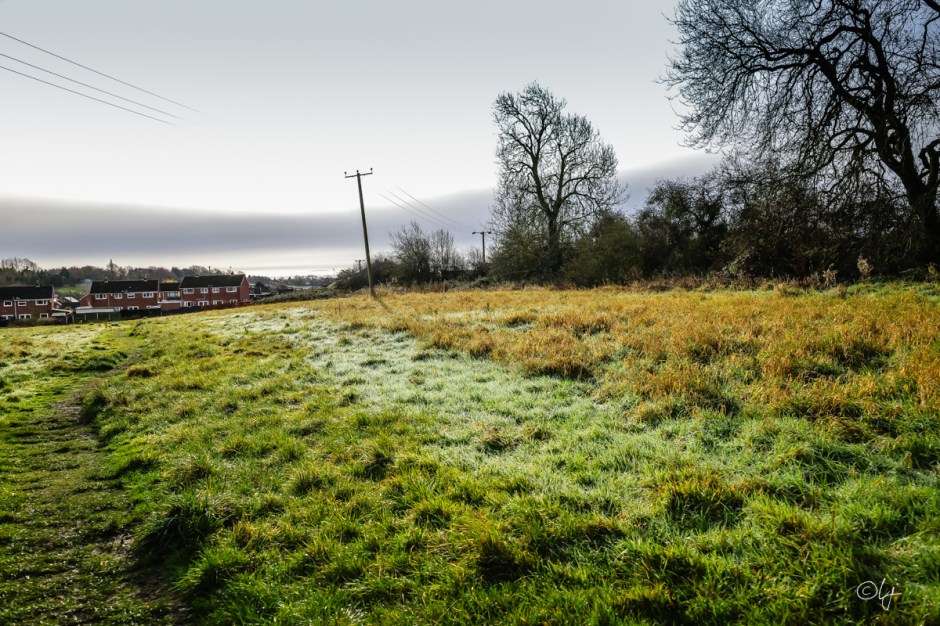
Having heard the forecast I made my way to the library before the first of the snows. I took the route across fields and park with frost still heavy on the ground at mid morning. Even the bright sun had failed to melt it.
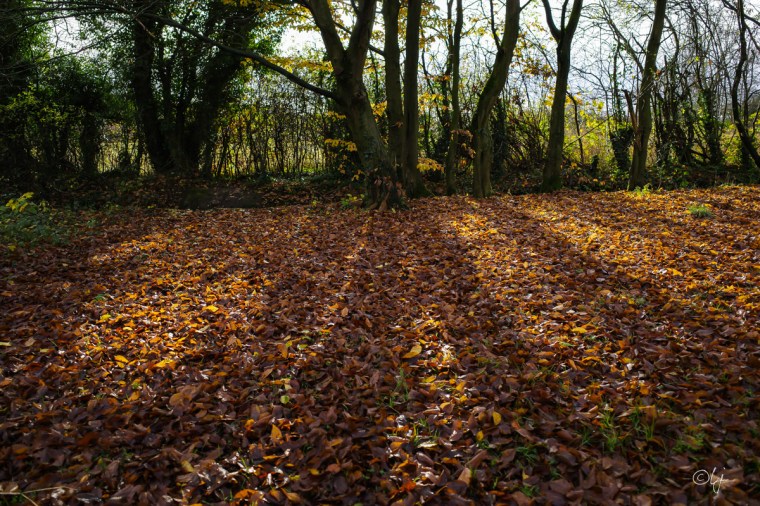
“The trees encountered on a country stroll
Reveal a lot about that country’s soul…
A culture is no better than its woods.”
― W.H.Auden
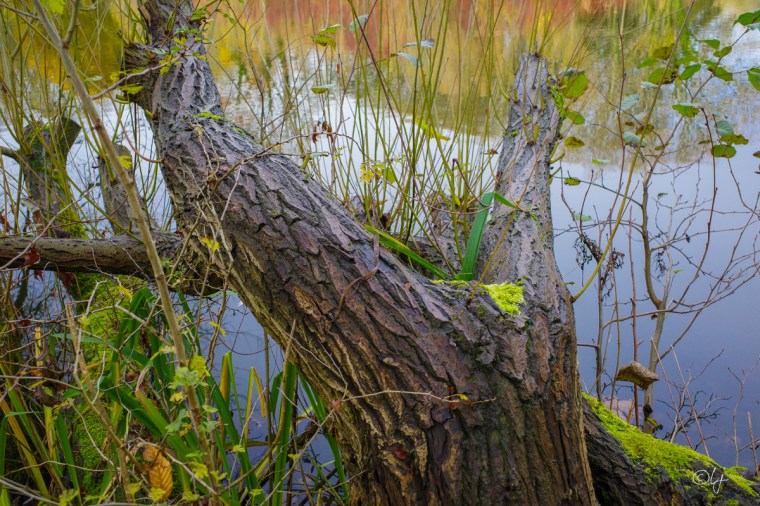
I was rather sorry to see that my favourite old willow has been amputated on its longest limb that reached far into the water. No doubt it snagged the lines of anglers who fish from allocated spots nearby. I wondered what use the timber had been put to which led to consideration of all the trees that have been, and are still being, cut to make paper for books.
“mostly from pulpwood logs and recycled materials from paper. Different kinds of trees produce a different texture of paper. Soft woods like pine have longer fibres and give paper more strength. Hardwood fibres are shorter but tend to work better in printing and writing papers. [source]

The 19th century began an industry of pulp fiction for the expanding literate masses – ‘penny dreadfuls’ as Victorians called them, ‘dime novels’ in the States. Yet too there was and is poetry, literature and non-fiction to elevate, enlighten and educate us.
“Books were only one type of receptacle where we stored a lot of things we were afraid we might forget. There is nothing magical in them, at all. The magic is only in what books say, how they stitched the patches of the universe together into one garment for us.” ~Ray Bradbury: ‘Fahrenheit 451’
Growing up we children were taught to treat our books with care; not to turn down the corners, bend back the spine, write in the margins which made us conscious of the value of them and the source from which they are manufactured.
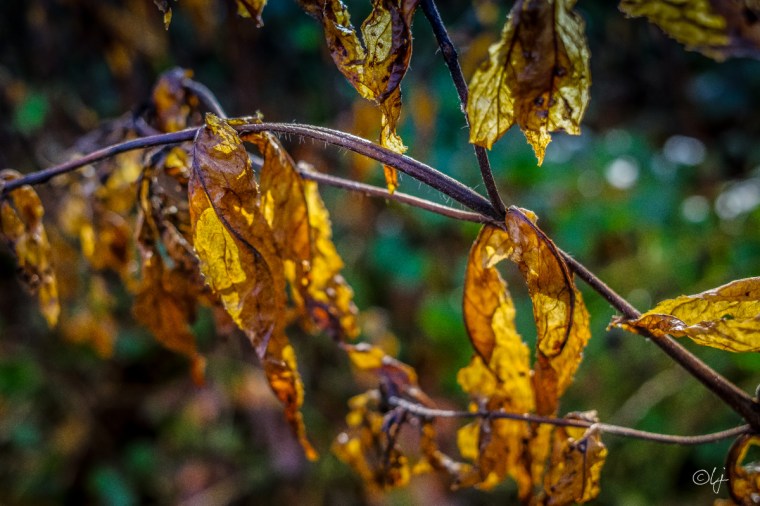
Though not in significant quantities, paper is also now being made from other sources of cellulose besides trees including cotton, bamboo, sheep poo, and dead leaves:
Instead of burning the dead leaves, several European cities are sending their green waste directly to a facility run by the Releaf Paper team in Paris. Here the leaves are washed, mixed with some biological fillers, dried, and then turned into paper bags, notebooks, boxes, wraps, gift items, and various other products. [source]
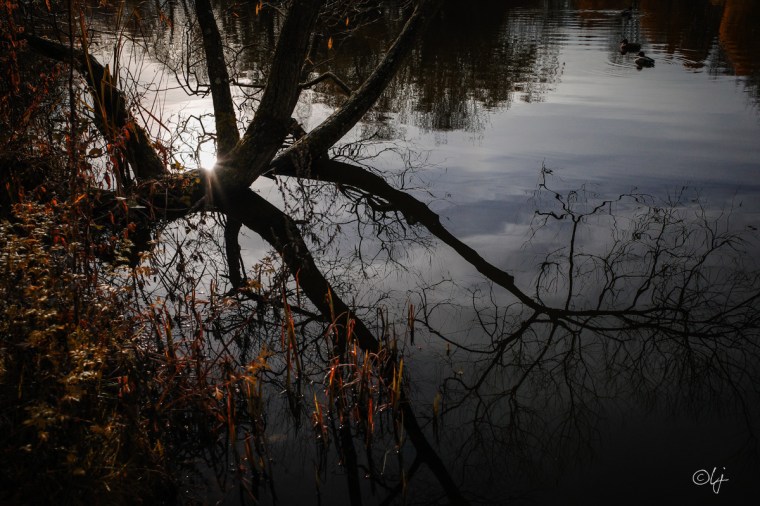
Aside from their natural beauty, as we become more conscious of the true value of trees to the ecology of the planet, there is more recycling and the use of the electronic book and newspaper. Even so print books continue to be important to readers worldwide and paper publishing is still expanding.
One answer lies in our Libraries. Public book borrowing means we do not need to own the copies individually which reduces demand for more tree harvesting yet here in the UK ” more than 180 council-run libraries have either closed or been handed over to volunteer groups in the UK since 2016” [source]. Since 1984 a National UK charity “The Library Campaign’ has been working to preserve and promote their use, against all the odds!
 PoetryPix